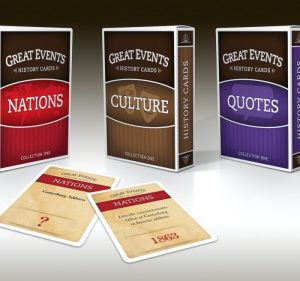
Card games for educational purposes offer a fun and effective way to boost learning outcomes. From enhancing cognitive skills to catering to different learning styles, card games have a lot to offer in the realm of education. Let’s dive into the world of educational card games and explore their benefits and strategies for integration.
Benefits of using card games for educational purposes
Card games offer a fun and engaging way to enhance learning experiences for students of all ages. By incorporating card games into educational settings, educators can effectively develop various skills and knowledge in a more interactive and enjoyable manner.
Development of Critical Thinking Skills
Card games require players to strategize, plan ahead, and make quick decisions based on the information available. This process can help improve critical thinking skills by exercising the brain and encouraging logical reasoning.
- Players need to analyze their cards, predict opponents’ moves, and adjust their strategies accordingly, fostering problem-solving abilities.
- Card games often involve complex rules and game mechanics, challenging players to think creatively and adapt to changing situations.
- By engaging in strategic gameplay, students can enhance their decision-making skills and learn how to weigh risks and rewards effectively.
Enhancement of Social Skills, Card games for educational purposes
Playing card games in a group setting promotes social interaction, communication, and teamwork among players. These interactions can help students build essential social skills that are valuable in both academic and real-world scenarios.
- Players learn how to cooperate, negotiate, and communicate effectively with peers while playing card games, fostering better social relationships.
- Card games encourage sportsmanship, teaching students how to win and lose gracefully and respect their opponents.
- Through friendly competition, students can develop empathy, patience, and the ability to work collaboratively towards a common goal.
Engagement and Motivation
Card games provide a hands-on and interactive learning experience that captivates students’ attention and keeps them actively engaged in the educational process. This high level of engagement can lead to increased motivation and enthusiasm for learning.
- Students are more likely to participate actively in lessons that incorporate card games, as they find the gameplay enjoyable and rewarding.
- Card games offer a break from traditional teaching methods, making learning more dynamic and stimulating for students of all learning styles.
- The element of competition and achievement in card games can inspire students to set and achieve goals, boosting their self-confidence and sense of accomplishment.
Types of card games suitable for educational purposes
When it comes to using card games for educational purposes, there are various types of games that can be effective in teaching different subjects and catering to various learning styles.
Mathematics: Uno
Uno is a popular card game that can be used to teach mathematics concepts such as addition, subtraction, and number recognition. Players must match numbers or colors on the cards, which helps reinforce basic math skills in a fun and engaging way.
Language Arts: Apples to Apples
Apples to Apples is a card game that can help improve language skills, vocabulary, and critical thinking. Players must match words and phrases to create clever and creative comparisons, which can enhance language proficiency and creativity.
Science: Timeline
Timeline is a card game that focuses on historical events, inventions, and discoveries, making it a great tool for teaching science subjects. Players must correctly place cards in chronological order, helping them learn about the progression of scientific advancements in a hands-on way.
Critical Thinking: Set
Set is a card game that challenges players to identify patterns and make logical connections between different cards. This game is excellent for developing critical thinking skills, spatial reasoning, and problem-solving abilities, making it ideal for students who thrive on intellectual challenges.
Strategies for integrating card games into the curriculum
Card games can be a valuable addition to the classroom, offering a fun and interactive way for students to engage with the material. Here are some strategies for effectively integrating card games into the curriculum:
Designing Lesson Plans with Card Games
- Identify learning objectives: Determine the specific concepts or skills you want students to reinforce or practice through the card game.
- Select appropriate games: Choose card games that align with the learning objectives and are suitable for the age and skill level of your students.
- Create game variations: Modify the rules or structure of the card game to focus on different aspects of the curriculum or to cater to different learning styles.
- Integrate game sessions: Schedule regular game sessions as part of your lesson plans to provide opportunities for students to apply their knowledge in a fun and engaging way.
Steps for Educators to Introduce Card Games
- Explain the purpose: Clearly communicate to students how the card game relates to the curriculum and what they can gain from playing it.
- Establish rules and expectations: Set clear guidelines for playing the card game, including how it fits into the overall lesson structure and what is expected of students during gameplay.
- Provide guidance and support: Offer assistance and feedback to students as they play the card game to ensure they are understanding and applying the concepts effectively.
- Encourage reflection: After the game session, encourage students to reflect on their experience and discuss how playing the card game helped them grasp the material better.
Benefits of Using Card Games as Teaching Tools
- Promotes engagement: Card games capture students’ interest and motivate them to participate actively in the learning process.
- Enhances retention: Playing card games can help reinforce concepts through hands-on practice and repetition, leading to better retention of information.
- Fosters critical thinking: Card games require strategic thinking, problem-solving, and decision-making skills, promoting cognitive development in students.
- Encourages collaboration: Multiplayer card games encourage teamwork, communication, and social interaction among students, fostering a positive classroom environment.
Impact of card games on cognitive development
Playing card games can have a significant impact on cognitive skills in learners. The strategic thinking, problem-solving, and critical decision-making required in many card games can help improve various cognitive abilities.
Enhanced Memory and Concentration
Card games often involve remembering card values, suits, and patterns, which can enhance memory skills. Players need to concentrate and focus on the game to make strategic moves, leading to improved concentration abilities.
- Playing card games like Memory or Concentration can help players improve their short-term memory by matching pairs of cards.
- Complex games like Bridge or Poker require players to remember previous moves and anticipate future moves, further enhancing memory retention.
Improved Problem-Solving Skills
Card games present players with various challenges and obstacles that require them to think critically and come up with effective solutions. This process of problem-solving can help improve cognitive skills over time.
- Games like Solitaire or Uno require players to analyze the current game state and make decisions based on available options, enhancing problem-solving abilities.
- Strategic card games like Magic: The Gathering or Hearthstone involve planning ahead, considering probabilities, and adapting to changing circumstances, boosting problem-solving skills.
Research Supporting Positive Impact
Several studies have highlighted the positive impact of card games on cognitive development. Research has shown that regular engagement with card games can lead to improved cognitive abilities, including memory, attention, and problem-solving skills.
According to a study published in the International Journal of Geriatric Psychiatry, playing card games can help older adults maintain cognitive function and reduce the risk of cognitive decline.
Closure: Card Games For Educational Purposes
In conclusion, card games serve as valuable tools for educators looking to engage students in a dynamic and interactive learning experience. By leveraging the benefits of card games, educators can create a more stimulating and effective learning environment for their students.
Questions Often Asked
Can card games really enhance learning experiences?
Yes, card games can make learning more engaging and help develop various cognitive skills in students.
How can educators effectively integrate card games into their curriculum?
Educators can design lesson plans that incorporate card games and follow steps to introduce them in the classroom seamlessly.
Are there specific card games that are more suitable for teaching certain subjects?
Yes, certain card games are particularly effective for teaching specific subjects and concepts.